
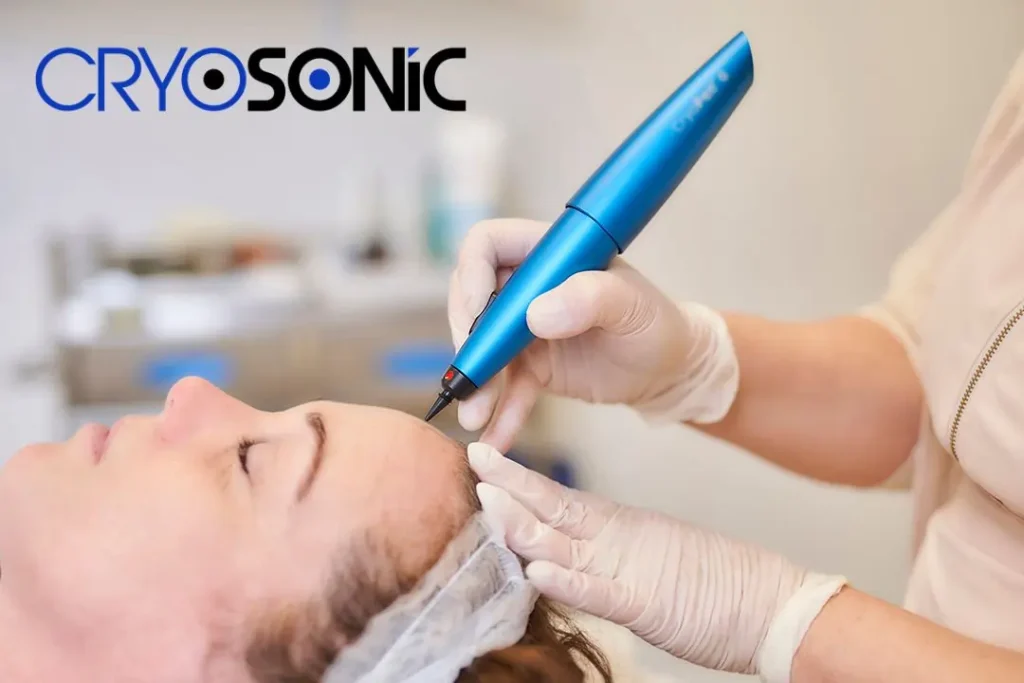

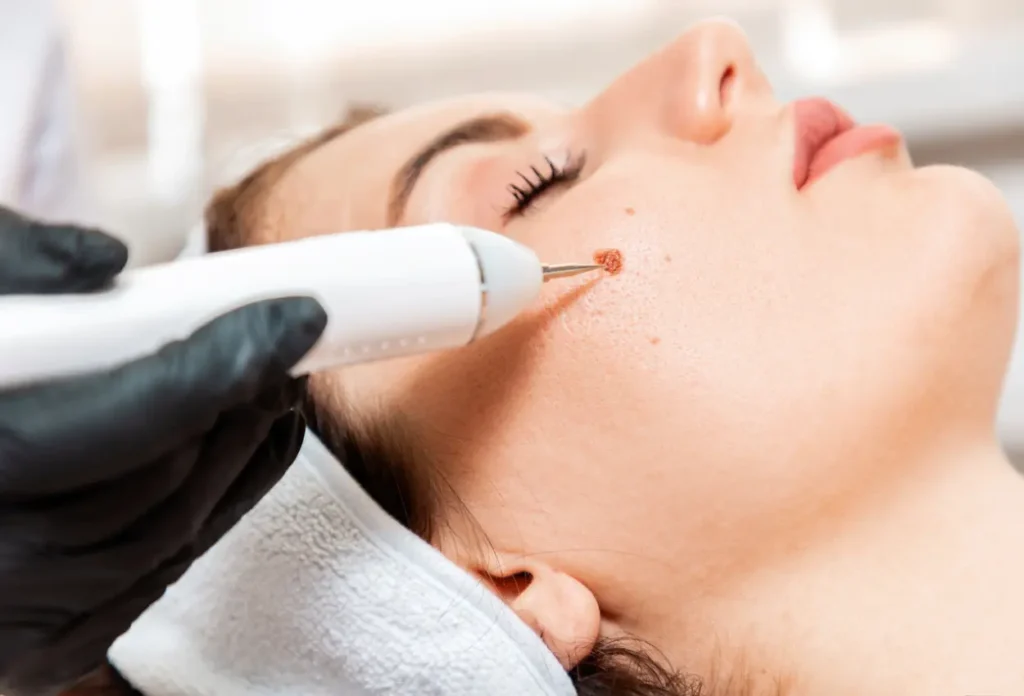
Cryopen treatments are a common and good way to remove skin lesions like warts, skin tags, and age spots. The process is quick. It is also not very invasive. But it is important to follow the right aftercare steps to help your skin heal well and get the best outcome. In this text, we go over the key steps for aftercare. We will also tell you what to expect during healing.
How to Care for Your Skin After CryoPen Treatment
Avoid Heat and Sun
For the first 48 to 72 hours after your Cryopen treatment, you should not let the treated area get any heat or direct sunlight. Try not to go sunbathing. Do not take hot showers or baths. Stay away from saunas and other things that use heat. Heat can upset your skin. It can slow the healing of your treated area and bring about more complications.
Keep the Area Dry
Water can slow down healing. Try to keep the treated area dry. Do not swim or take long baths. Avoid any activity where the area might get very wet. Less moisture will help stop irritation and lower the risk of infection.
Don’t Pick at Scabs or Burst Blisters
You may see scabs or blisters show up on the treated area while your skin starts to heal. Do not pick at the scabs or try to pop any blisters. These layers help the body heal, and messing with them can cause scars or an infection. Let them heal on their own and fall off. This can take from 10 to 30 days.

How to Protect and Soothe Your Skin After CryoPen Treatment
Apply Sun Protection
After the first treatment is done, you need to keep the area safe. Use a sunscreen that has an SPF of 30 or more. Do this on sunny days and also when it is cloudy. The sunscreen helps protect your skin while it heals and keeps harmful UV rays out. This can lower the risk of having changes in your skin’s pigmentation or any lasting harm.
Soothe with Aloe Vera
To help with any temporary irritation or discomfort, you can gently apply aloe vera gel to the surrounding area. Take some clean cotton wool and gently put the gel around the treated area. Be careful not to touch or move the treated area too much. Aloe vera is good for soothing and cooling the skin, so it will help you feel better.
Expect Temporary Changes
It’s common to see some temporary changes in the treated area while your skin heals. The skin might look darker, lighter, or even pink for a few days after the treatment. This is all normal. There is no need to worry because these changes happen as part of the healing, and they usually go away with time.
Healing Timeline and Professional Aftercare Guidance
Healing Time
Healing times are not the same for everyone. Scabs in the treated area will usually take about 10 to 30 days to come off. Full healing of the skin, including when the redness or changes in colour fade, may need up to three months. Be patient during this time and let your body do what it needs to recover.
Follow Your Consultant’s Instructions
Finally, it’s important to follow the aftercare steps that your therapist gives you. These steps are made just for you and your skin type, so you get the best results. If you feel worried or notice anything strange while you heal, reach out to your therapist right away for help.
Final Thoughts About Cryopen Aftercare Tips Leicester
Taking proper care of your skin after using Cryopen is important. This helps your skin heal well and gives you the result you want. Try not to put the area in heat or get it wet. Also, keep it safe from the sun’s UV rays. Be gentle with the area and treat your skin carefully. Doing these things can lower the risks and help your body heal the right way, using its own natural ways.
If you have had a Cryopen treatment or plan to get one, save this guide because it can help you. By using care and patience, you will see your skin become clearer and healthier soon. Follow our aftercare tips in Leicester for best results!
For more tips about cryotherapy or skincare treatments, you can read our blog. You can also talk with one of our specialists if you have any questions!
FAQs for CryoPen Aftercare Tips Leicester
Q: How long should I avoid heat after my CryoPen treatment?
After your CryoPen session, it’s best to avoid any type of heat exposure—including hot showers, saunas, steam rooms, or direct sunlight—for at least 48 to 72 hours. Heat can irritate the treated skin and delay the natural healing process, so giving the area time to settle helps ensure smoother recovery.
Q: Is it normal to see blisters or scabs after CryoPen treatment in Leicester?
Yes, this is completely normal. Often, small blisters or scabs form as the skin starts to heal. They are just part of the natural healing process the body goes through. Most significantly, do not pick at, scratch, or pop them, as there may be a greater risk of scarring or infection.
Q: Can I wash the treated area after my CryoPen session?
You may gently wash the region; during the first few days, it is best to avoid prolonged soaking or excess moisture in the area. Ensuring the area is dry also positively impacts the skin-healing process and can minimise irritation. Light washing is permissible, but avoid rubbing or scrubbing the treated skin.
Q: When can I start using sunscreen on the treated skin?
Once the initial sensitivity settles—usually after the first couple of days—you should start applying SPF 30 or higher every day. This is especially important in Leicester, where cloudy weather can still expose you to UV rays. Sunscreen helps prevent pigmentation changes while the skin heals.
Q: Can I continue my normal exercise routine after CryoPen in Leicester?
It’s best to avoid any activities that cause overheating or heavy sweating for around 48 hours. Exercise increases your body temperature, which can irritate the treated area and delay healing. Most people are usually able to get back to light movement fairly soon, once the skin feels comfortable and no longer tender.
Q: What should I do if the treated area becomes itchy or irritated?
Mild itching or irritation is common as the skin heals. Aloe vera gel is a soothing option and can help calm the surrounding area without disturbing the treated spot. Just make sure you apply it gently and avoid putting pressure directly on the healing tissue.
For Further Information, Please Call Us: 03300 100 392